Manghauva
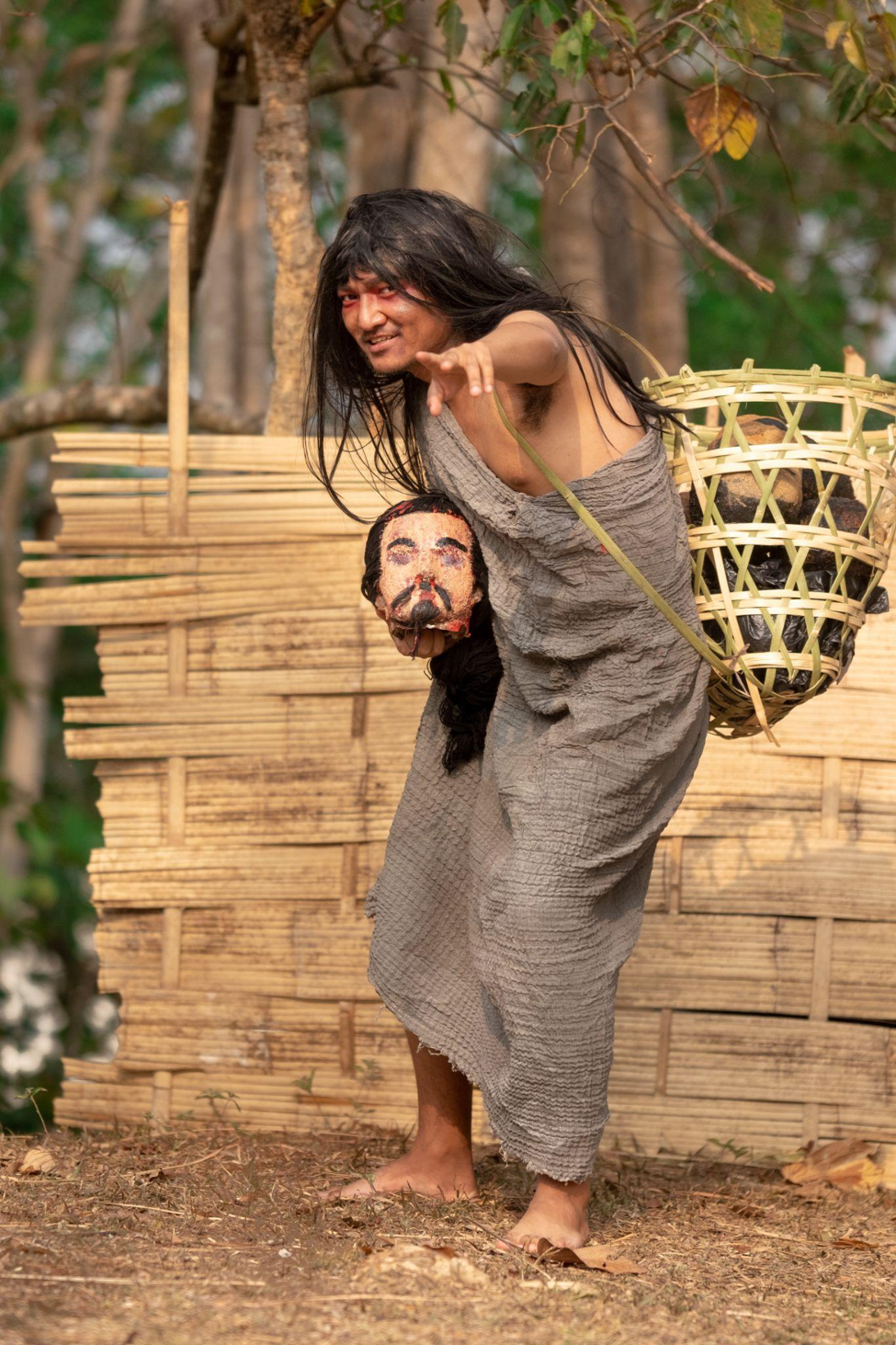
Manghauva is believed to be the one who takes those who die from illness or disease. Those who have seen him in their dreams describe a terrifying figure carrying a massive woven basket (Bawmrang) filled to the brim with human heads. Even with a full basket, he is seen rushing through the streets, searching for more, a sight that causes immense fear. The Detailed Narrative Our Mizo ancestors categorized deaths in various ways, and among them was Awmlai thi (death while living/present, often referring to death by illness). While some call him Manghaia, most writers refer to him as Manghauva. He is often described as a "Spirit of Death" or a "God of Death" who specifically claims humans. It was a common belief that everyone who died of a sickness or a particular ailment was taken by Manghauva. Ancient Mizos believed in several spirits and entities responsible for taking human life, including Lalthankhupa and Sanu, alongside Manghauva. While no one is said to have seen him in the physical world, those who encounter him in dreams describe him carrying a giant basket on his back, packed with the heads of the deceased. Despite the basket being overflowing, he wanders restlessly, searching for more heads to collect in other neighborhoods, moving with incredible speed through the village paths. Consequently, any sudden or illness-related death was attributed to Manghauva, and he was greatly feared. His name even appears in traditional poetry and laments, such as this verse by Darpawngi: "Manghauva has seized the arm of my beloved, If only I held a sword that fears no stone; I would pierce him with a brass-headed spear like a mithun.”