Zokhua - Mizo Typical Village, Falkawn
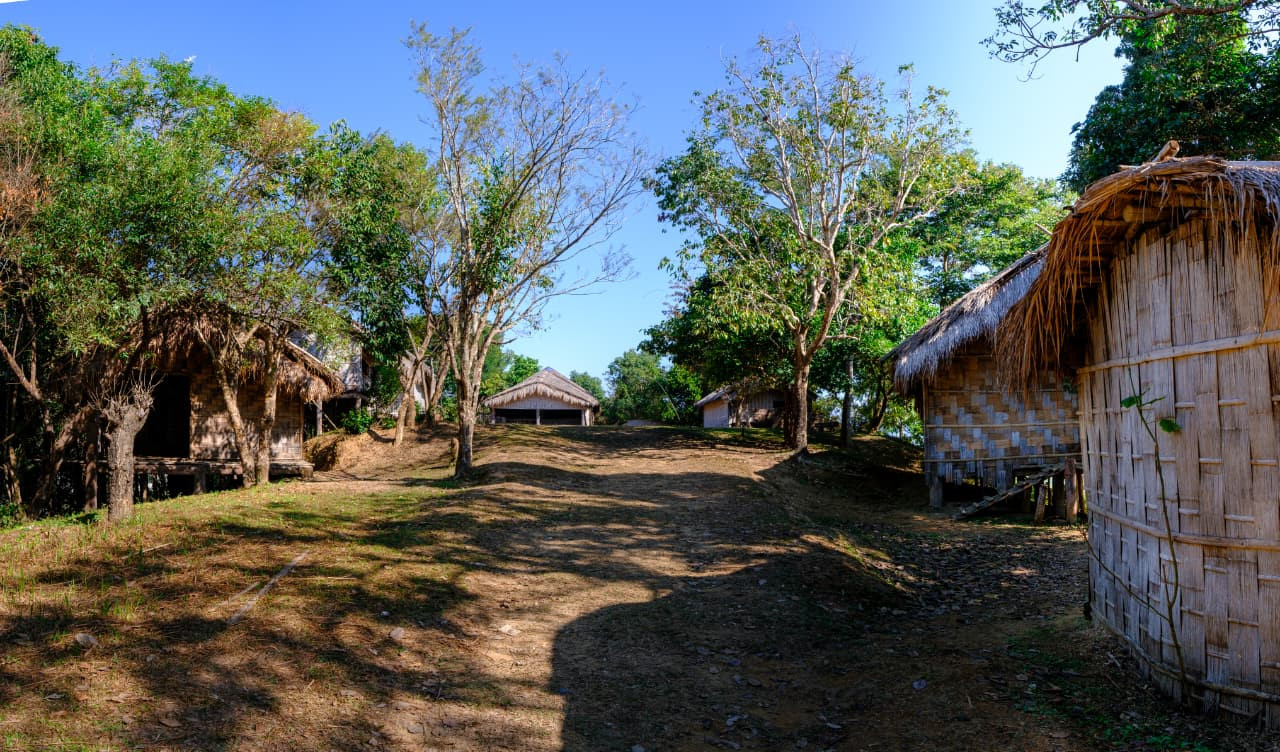
Falkawn is a small village situated 18 km. south of the main city of Aizawl. Depicting the lifestyle and culture of a typical Mizo village, this site is frequently visited by tourists. Art &Cultutre Department, Government of Mizoram Department has set up a Cultural Centre (Zokhua) at Falkawn in 1992. The centre is a mini live-museum where Zawlbuk (Dormitory), Lal In (Chief’s House), Pum (Blacksmiths) and other Mizo typical houses are erected. There are freedom fighter memorial stones and Taitesena commemoration stone.
Traditional Mizo Village
Generally he Mizos moved from one place to another frequently in search of better jhum land as jhuming required shifting of cultivation site. A typical Mizo village was a humming nest of activities. A cluster of bamboo hut on stilts, the village was usually set on the crest of a hill. It was made up of about three to five hundred houses in general, with the chief’s elongated hut at the centre, flanked by the village elders’ houses. And within calling distance stood the large, hump-roofed Zawlbuk or bachelors’ dormitory where all the young men gathered at dusk and slept at night. This was the focal place from which one could gather news or muster help in case of emergency. It was also a training ground where Mizo boys were drilled and groomed to be responsible members of the society. Apart from the important personalities were Puithiam or priest, Thirdeng or blacksmith and Tlangau or crier. Though rich men and brave warriors and hunter enjoyed great prestige, there was practically no social discrimination. A gregarious and close knit society, they evolved some principles of self-help and co-operation to meet social obligations and responsibilities. The Mizos established a unique code of ethics called Tlawmngaihna which stands basically for selfless service for others. It is a compelling moral force that requires a man to be hospitable, kind, unselfish, courageous and helpful to others.
Social hierarchy & institution
Although social hierarchy did exist in early Mizo society, stratification was not at all rigid. As to the hierarchical order, there was a slight variation in the different areas, the orders were -
1.Lal (Chief) or royal family
2.Upa (elders’ or minister to the chief)
3.Ramhuals (expert jhum cultivators)
4.Zalens (men of possession exempted from paying fathang or paddy tax to the chief
5.Puithiam (priest) &thirdeng (blacksmith)
6.Bawis (who were driven to take refuge in the chief’s house etc.)
7.Hnamchawm (commoners)
Among the Mizos, the father was the head of the family. He had authority over property for decent was patrilineal. The children would adopt the name of the father’s clan and all property belonged to male and they alone could inherit by dividing by the youngest son.
Zawlbuk (bachelors’ dormitory)
Lal In (Chief's Residence)
Lal Upa In (Chief's Elder House)
Thirdeng In (Blacksmith House)
Pum (Blacksmith Shop)
Mi naran In (Commoner’s house)
Hmeithai In (Widows's house)