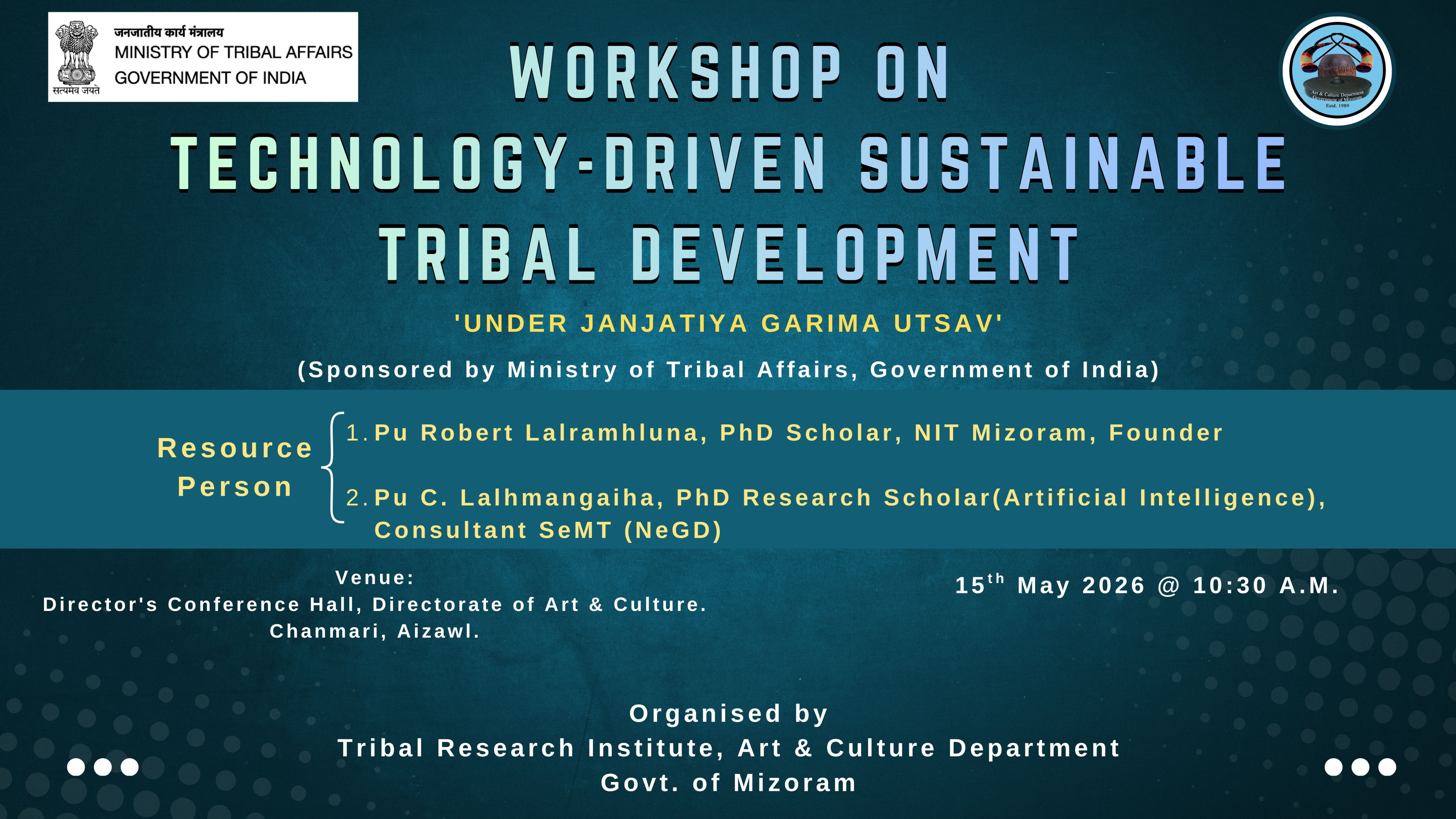
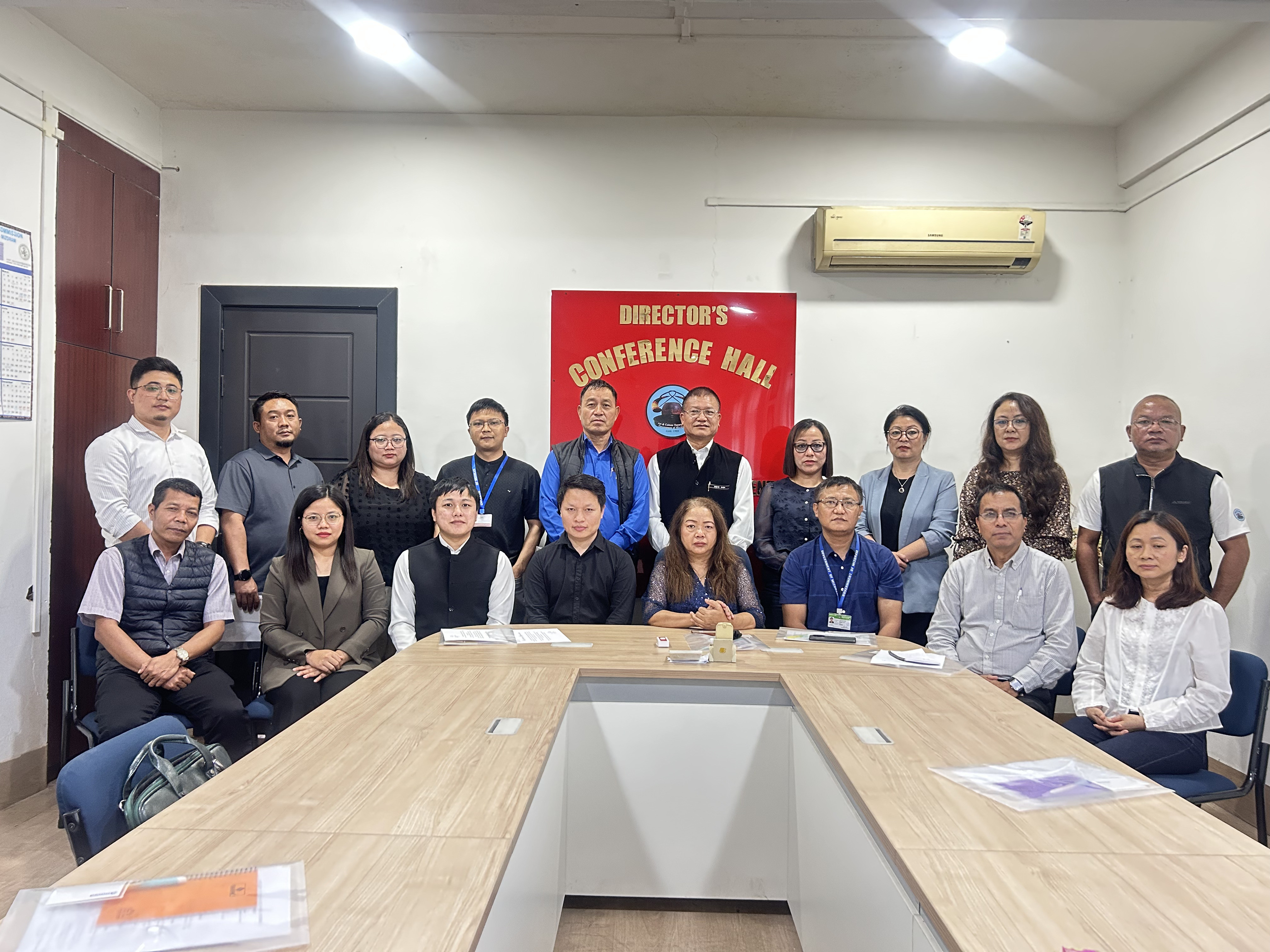
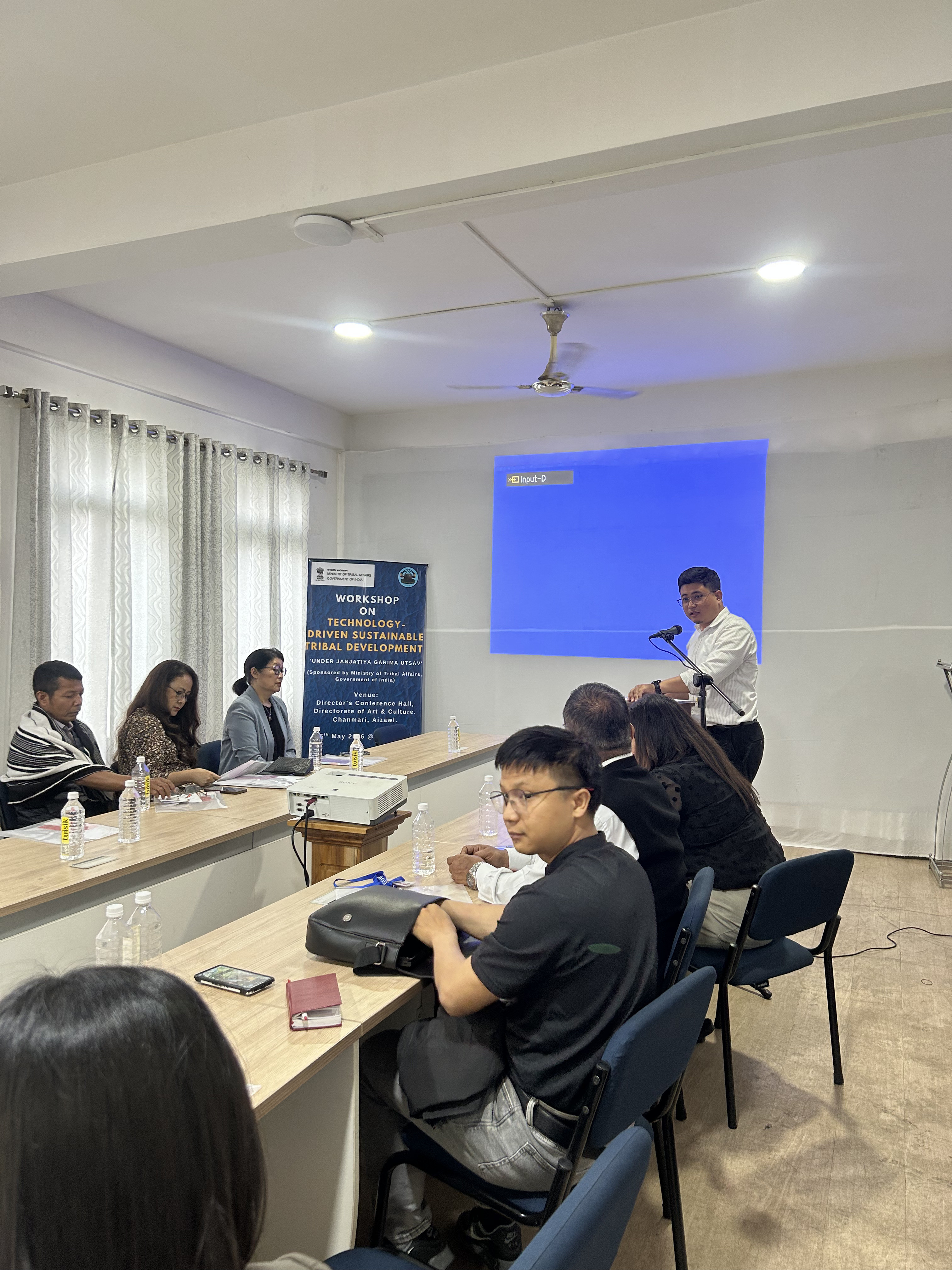
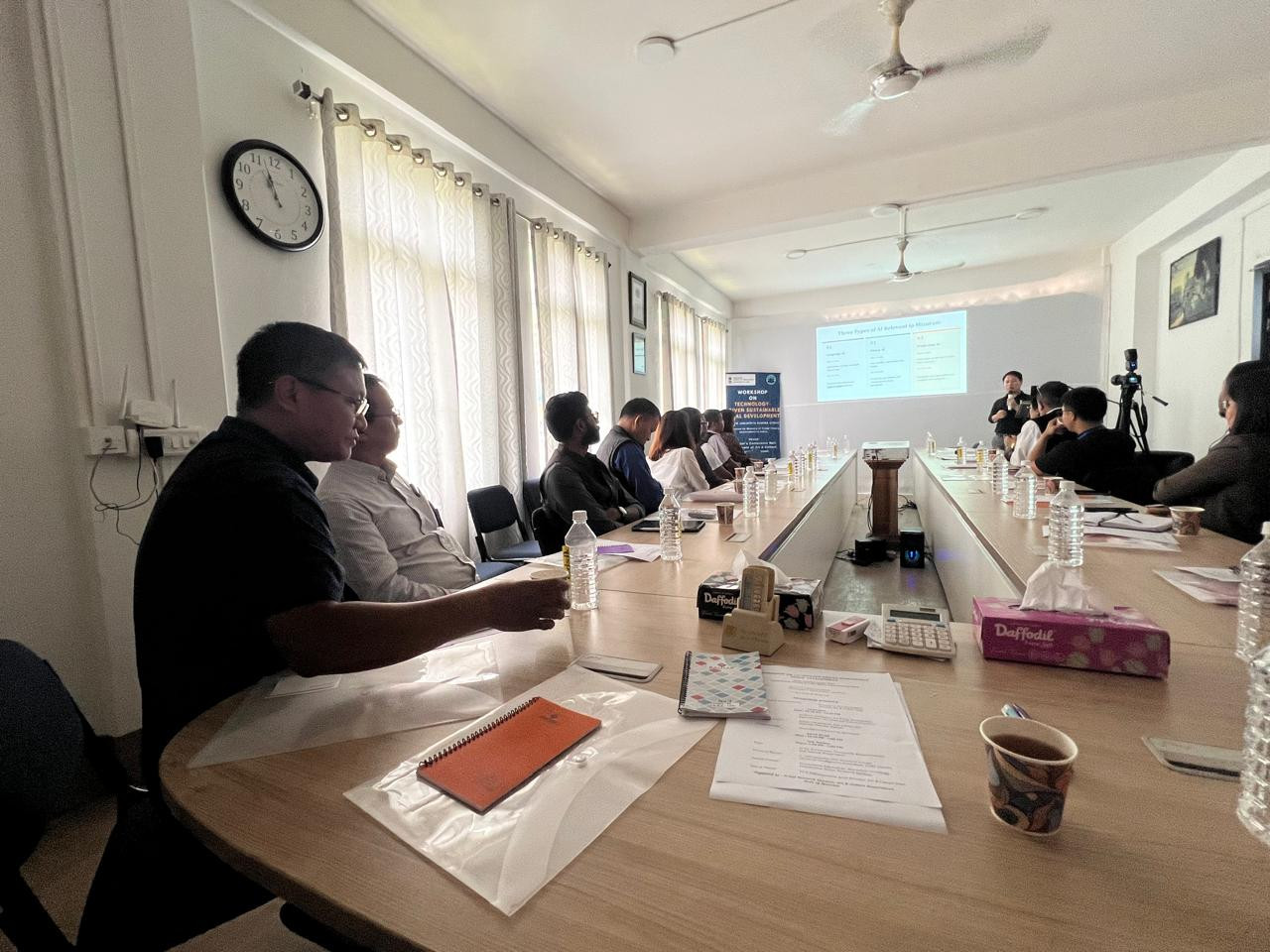
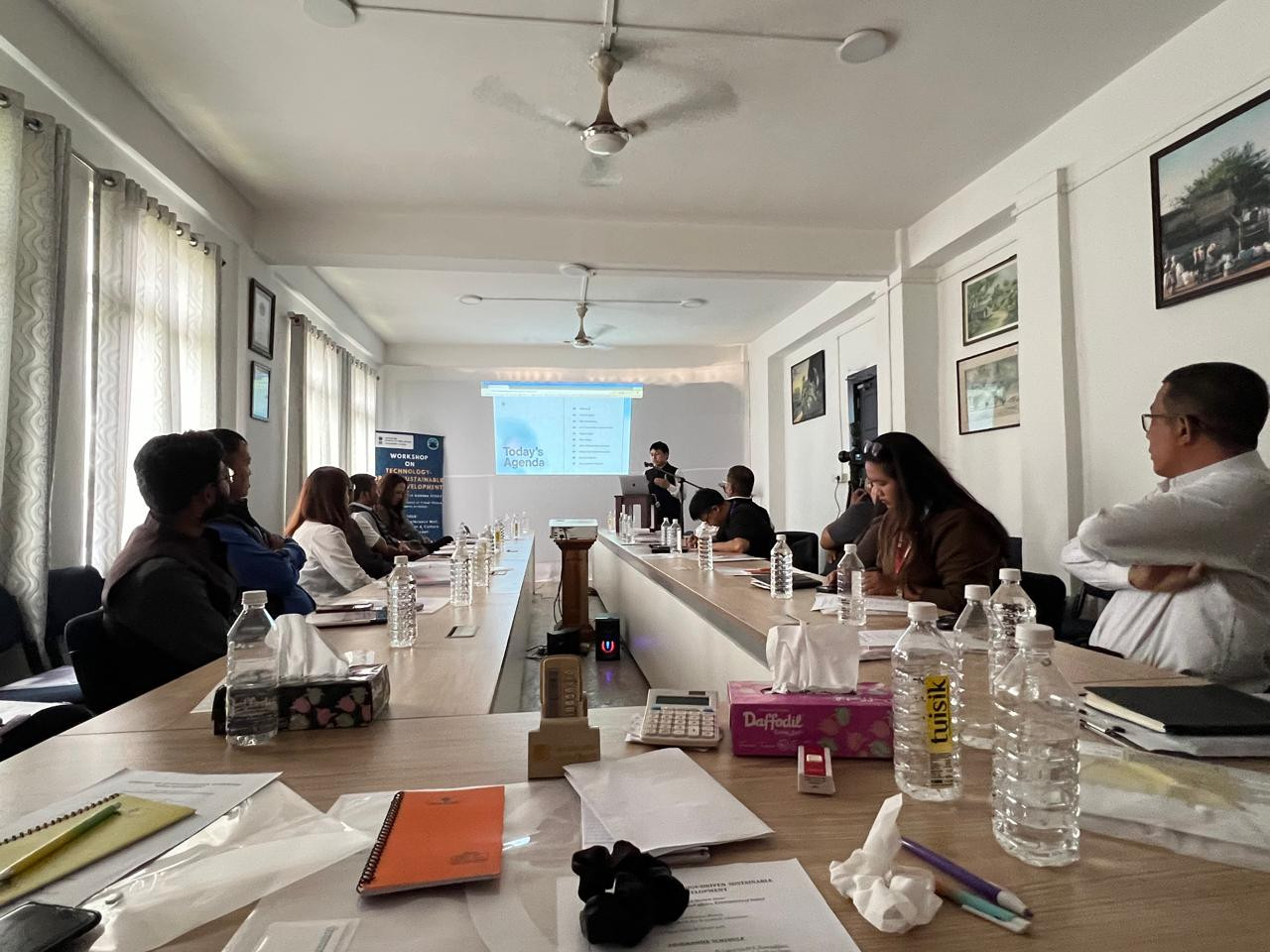
A One Day Workshop on the theme “Technology-Driven Sustainable Tribal Development” under Janjatiya Garima Utsav was successfully conducted on 15th May 2026 at the Director’s Conference Hall, Directorate of Art & Culture, Govt. of Mizoram, Chanmari, Aizawl. The programme was organised by the Tribal Research Institute (TRI), Art & Culture Department, Govt. of Mizoram, with sponsorship from the Ministry of Tribal Affairs, Govt. of India.
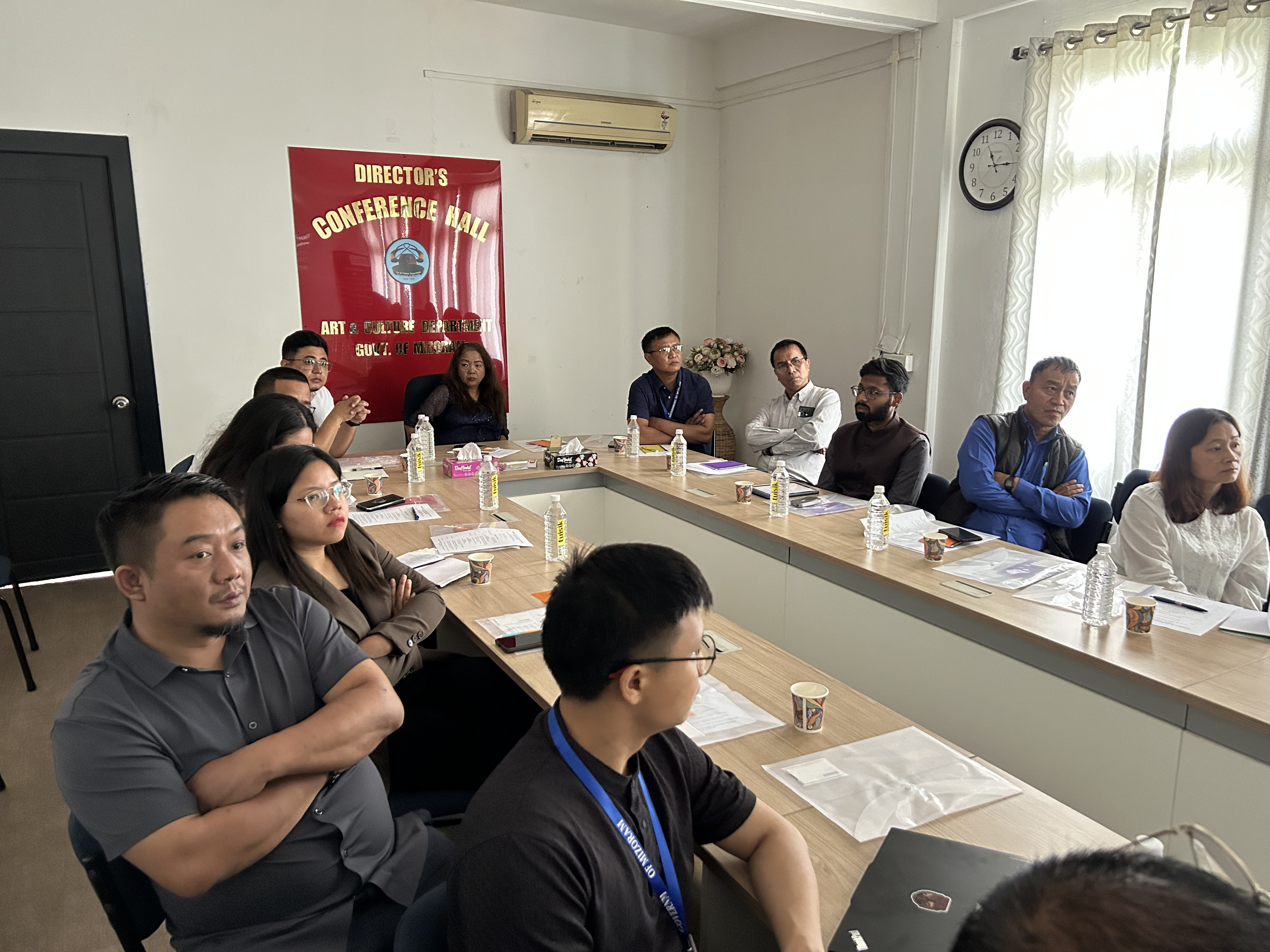
The workshop was attended by officials from Tribal Welfare Department (TWD), representatives from Integrated Tribal Development Agencies (ITDAs), Officers and staff of the Tribal Research Institute, and Officials from the Art & Culture Department. The programme served as an important platform for discussing the role of modern technology in promoting sustainable and inclusive tribal development.
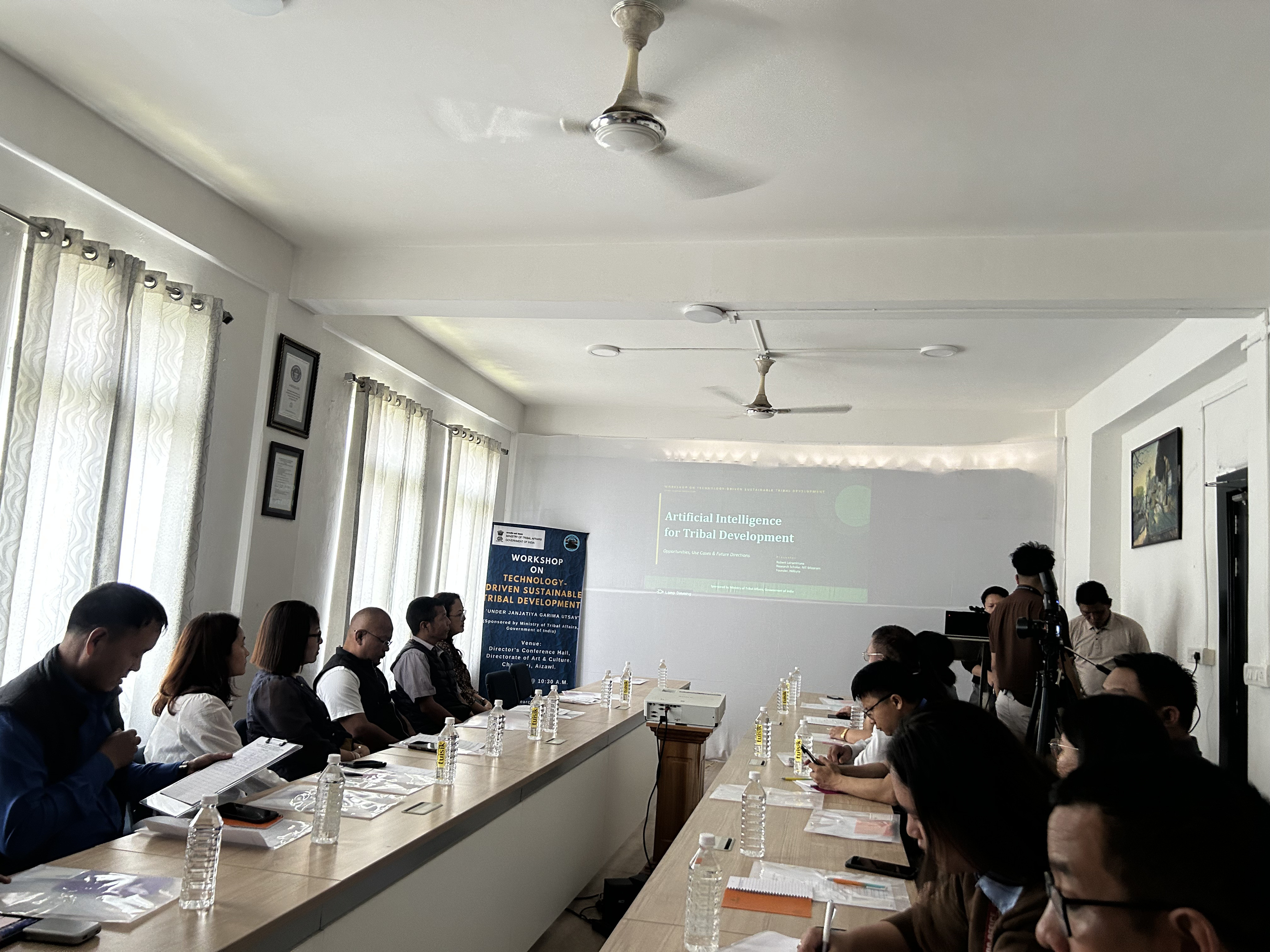
The workshop primarily focused on the role of Artificial Intelligence (AI) and emerging technologies in promoting sustainable tribal development and improving governance, education, cultural preservation, and public service delivery in tribal areas.
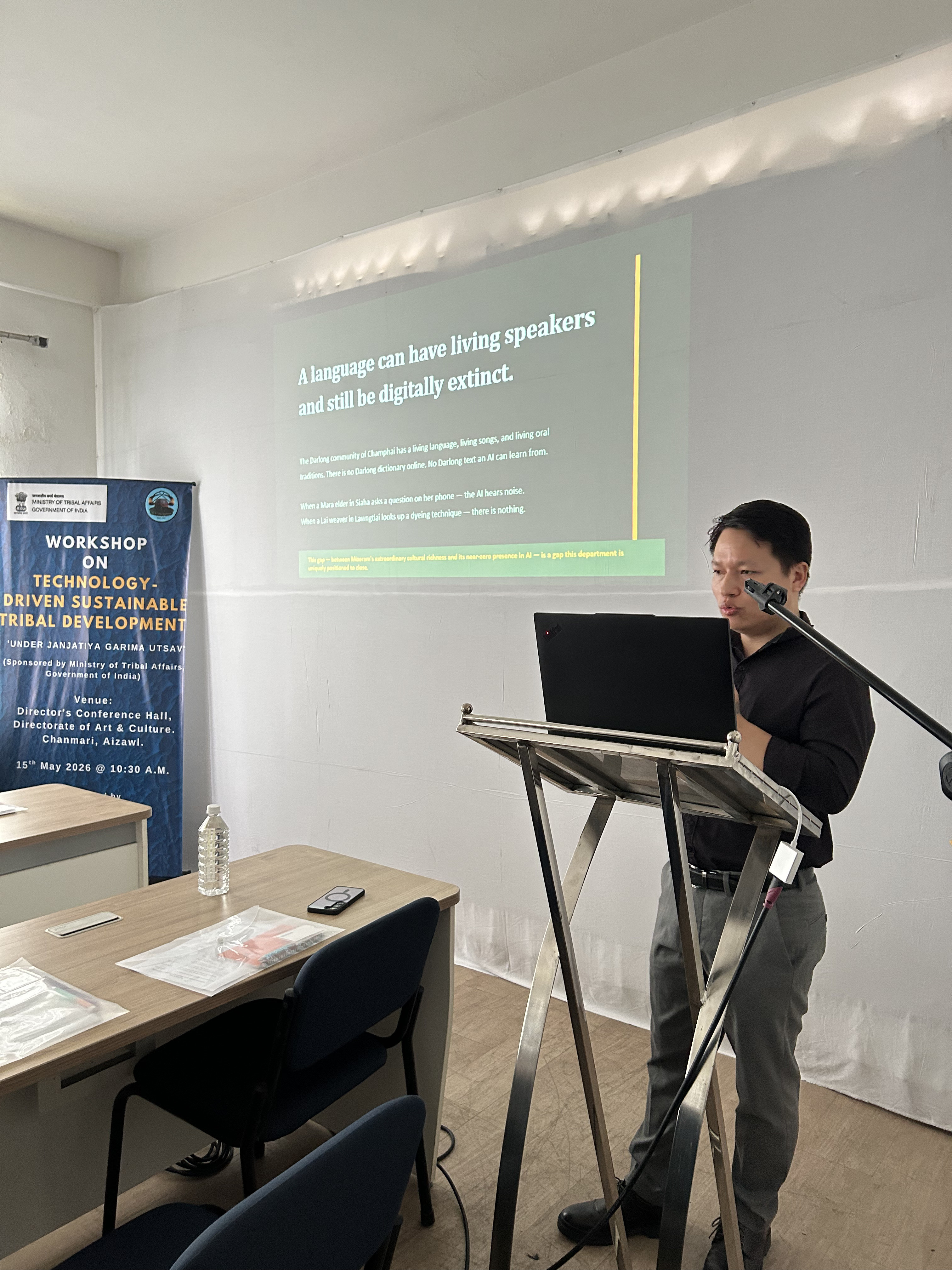
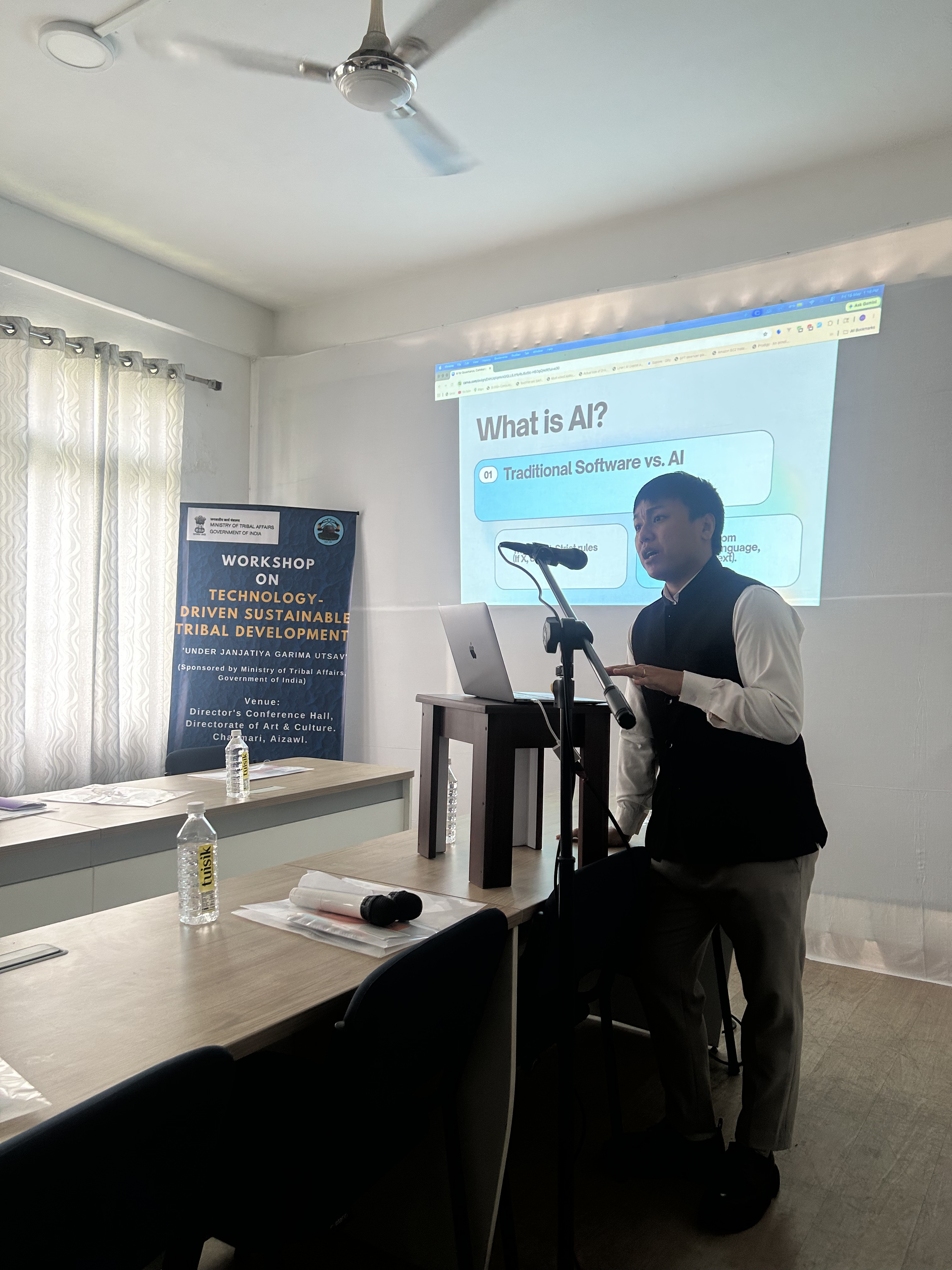
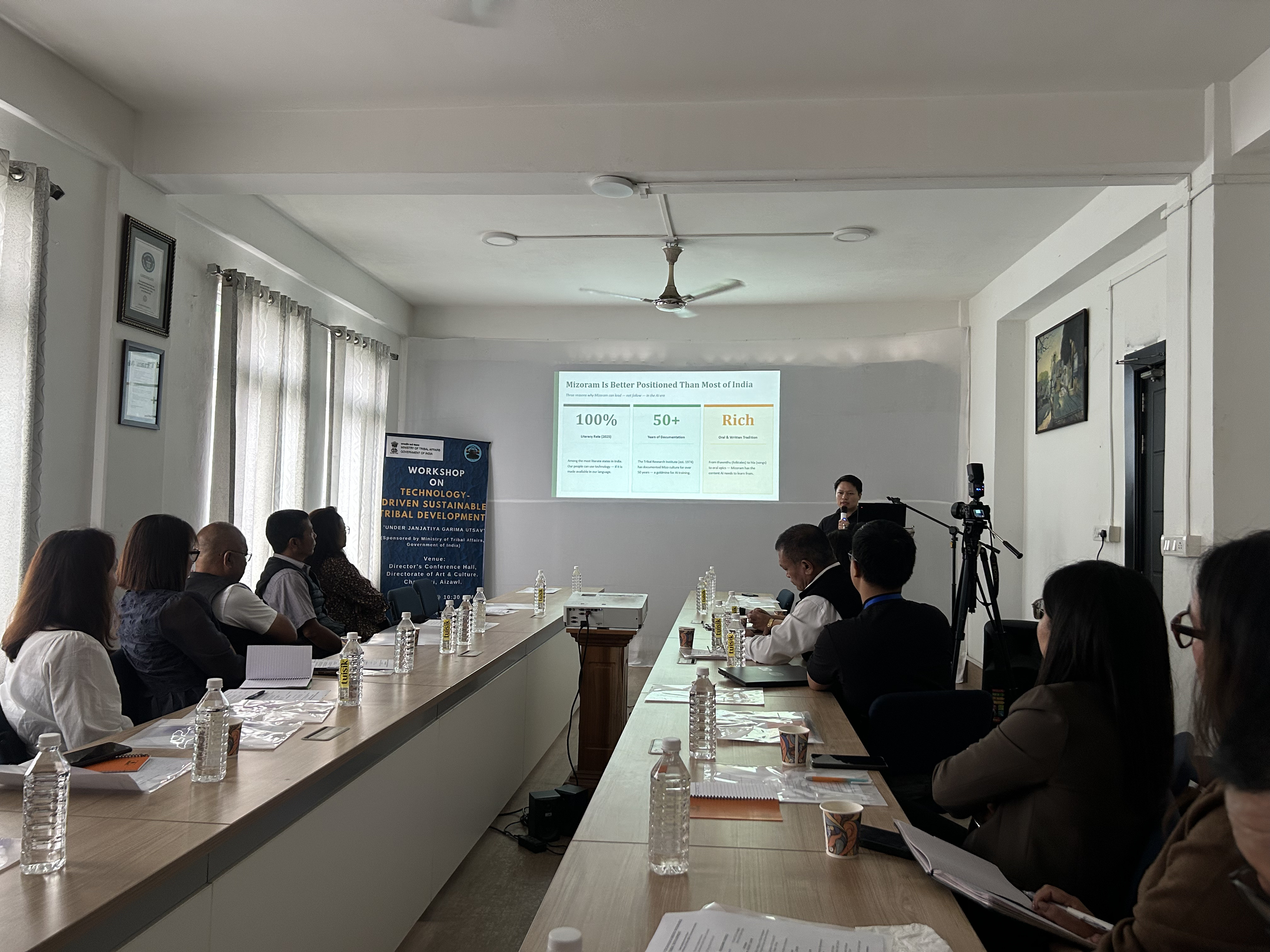
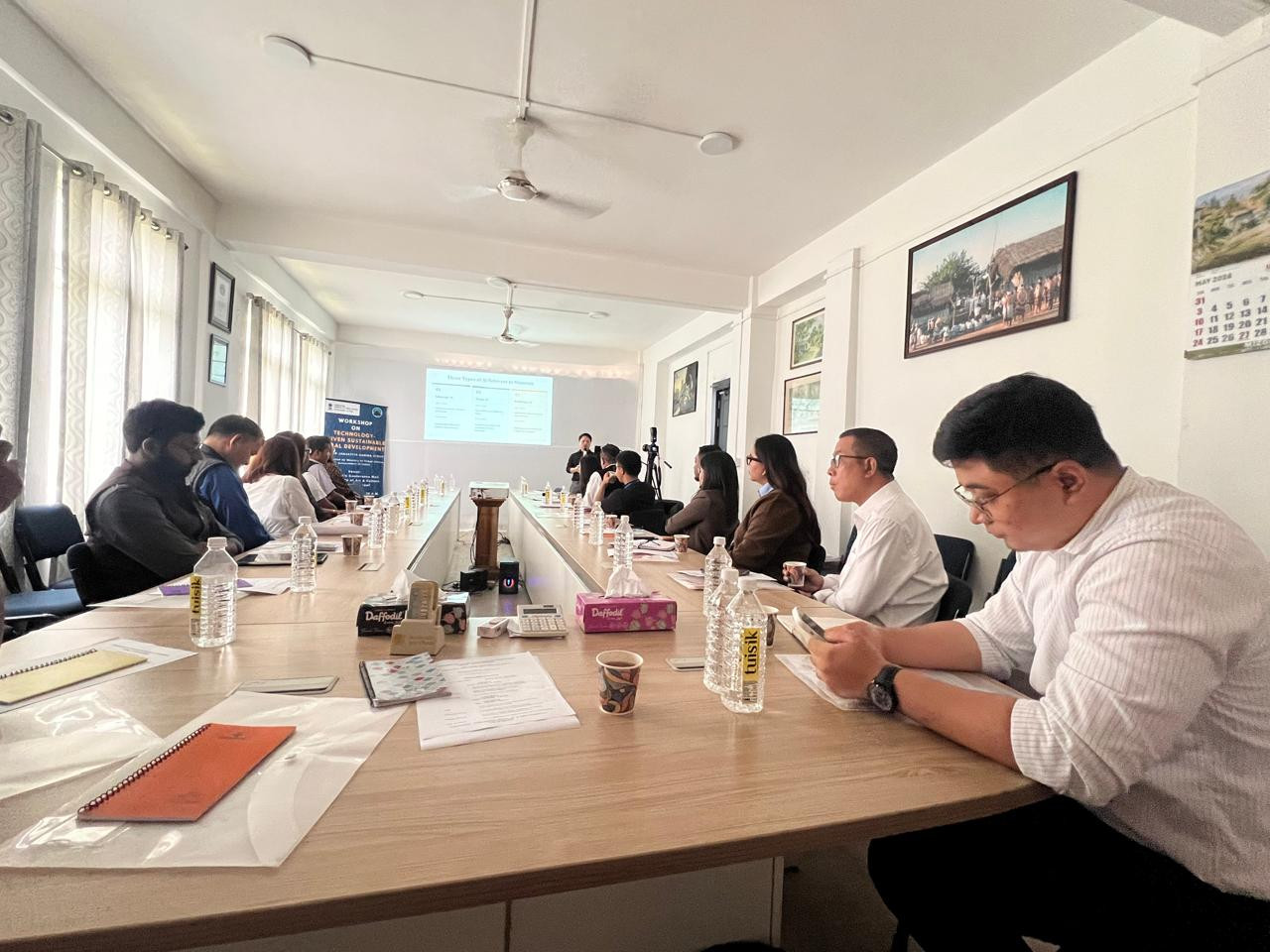
The resource persons for the workshop were Mr. Robert Lalramhluna, PhD Scholar, NIT Mizoram and Founder, Hillbyte and Mr. C. Lalhmangaiha, PhD Research Scholar in Artificial Intelligence and Consultant, SeMT (NeGD). The speakers highlighted the growing importance of AI-driven technologies in governance and development. Topics discussed included the use of AI in data analysis, digital documentation, e-governance, smart resource management, and preservation of indigenous knowledge and tribal cultural heritage.
Special emphasis was given to how AI can support tribal communities through better access to information, education, healthcare services, and livelihood opportunities. The sessions also encouraged participants to explore innovative and technology-based approaches that are sustainable, inclusive, and culturally sensitive.
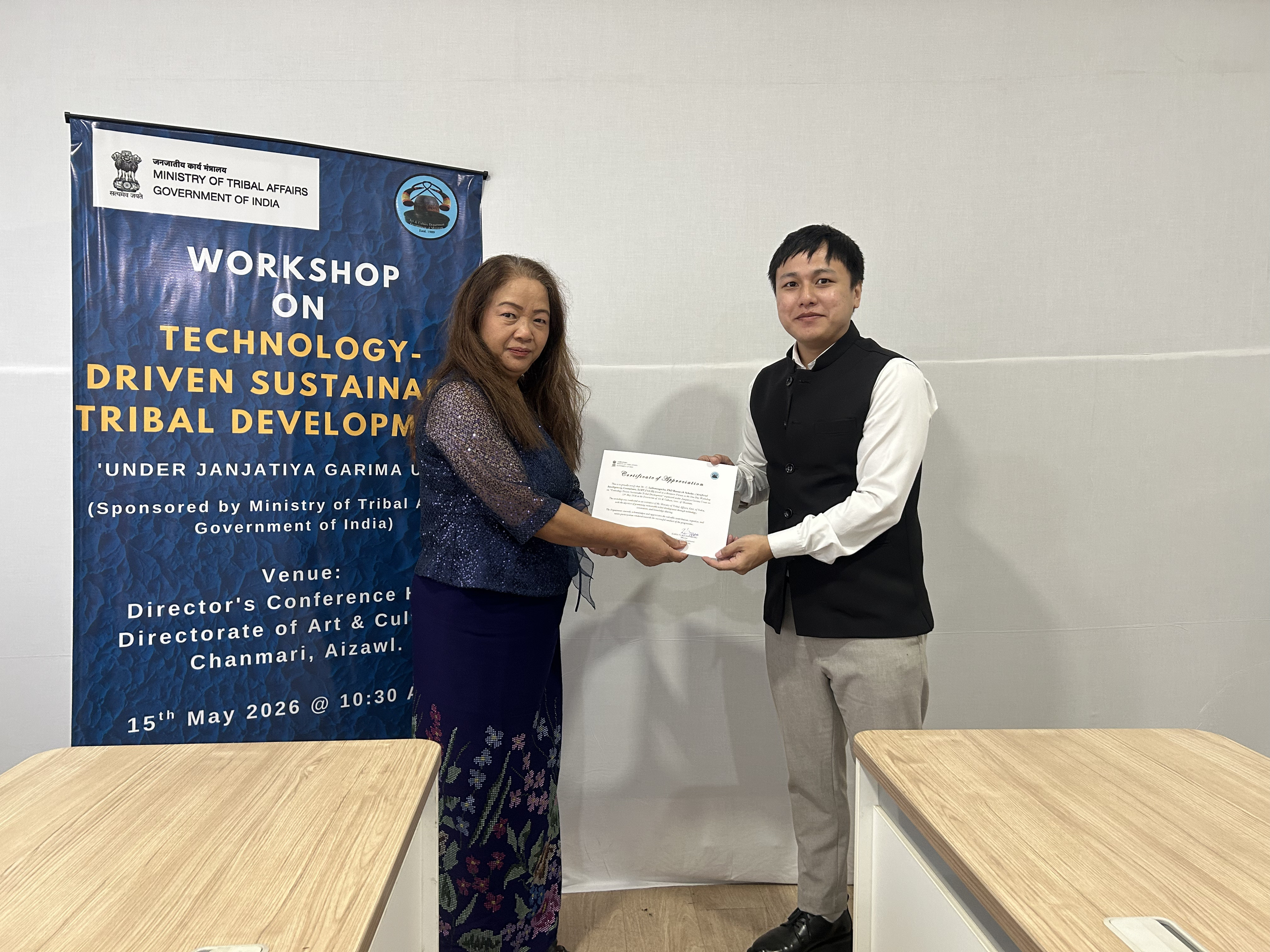
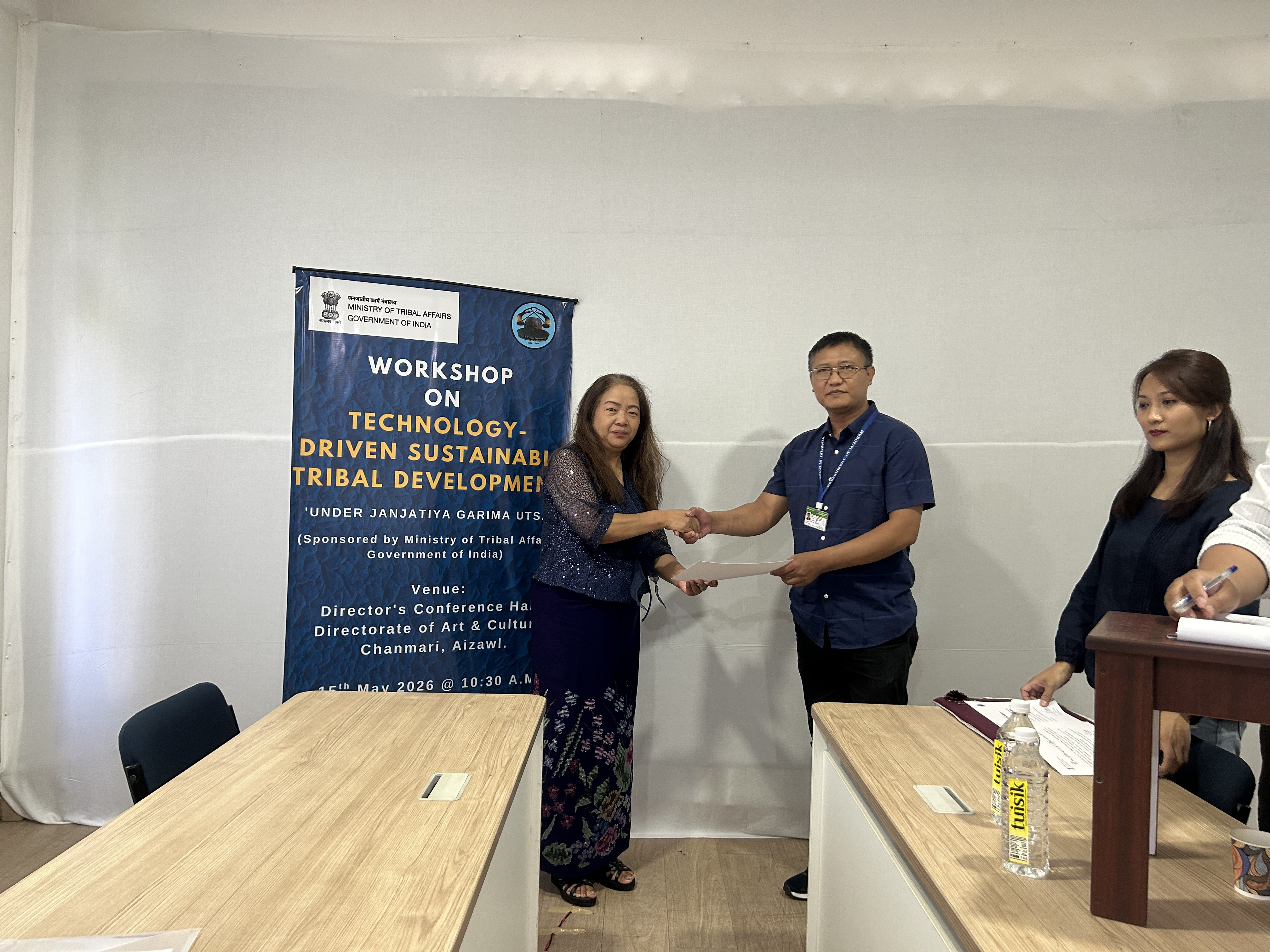
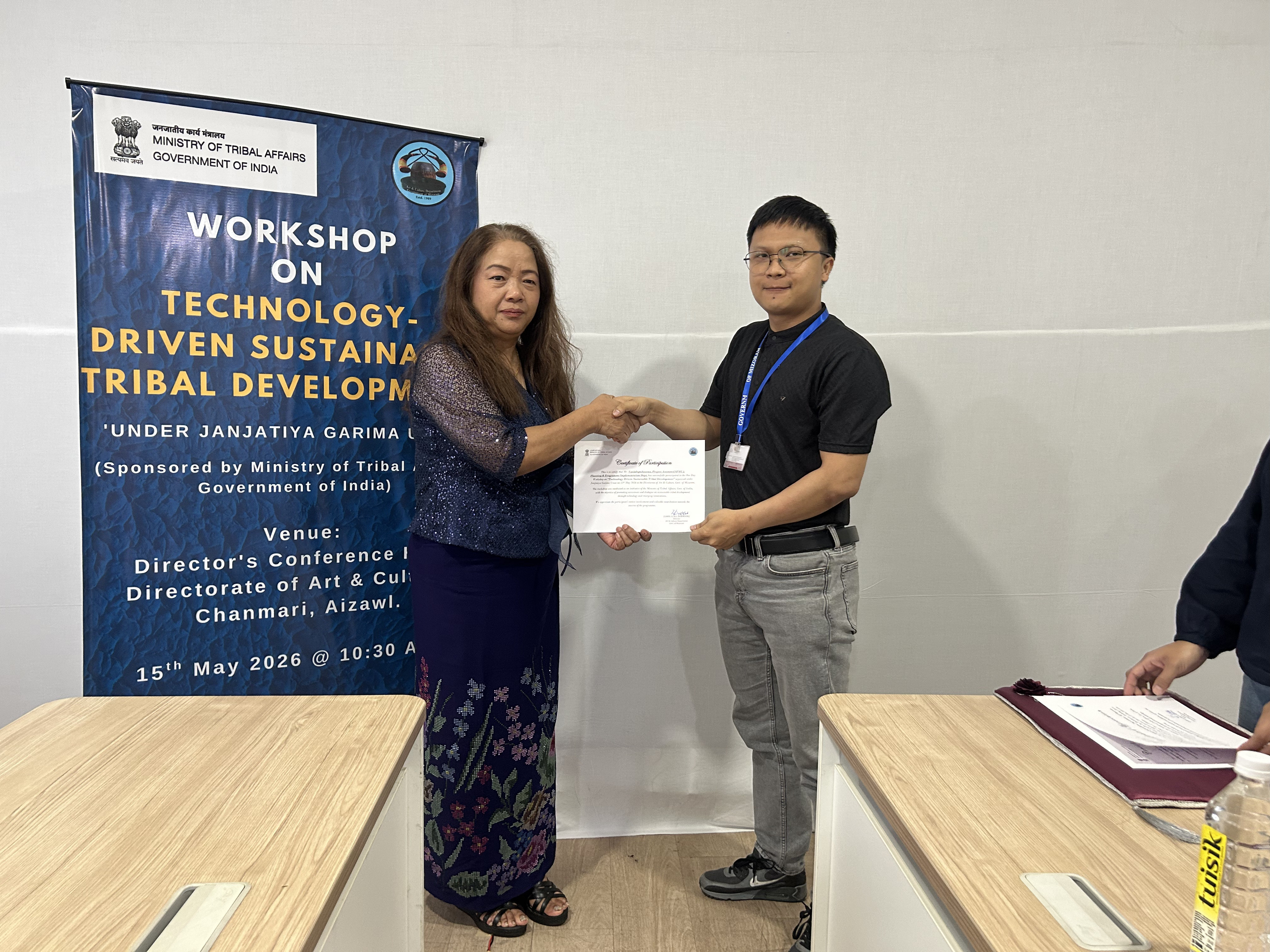
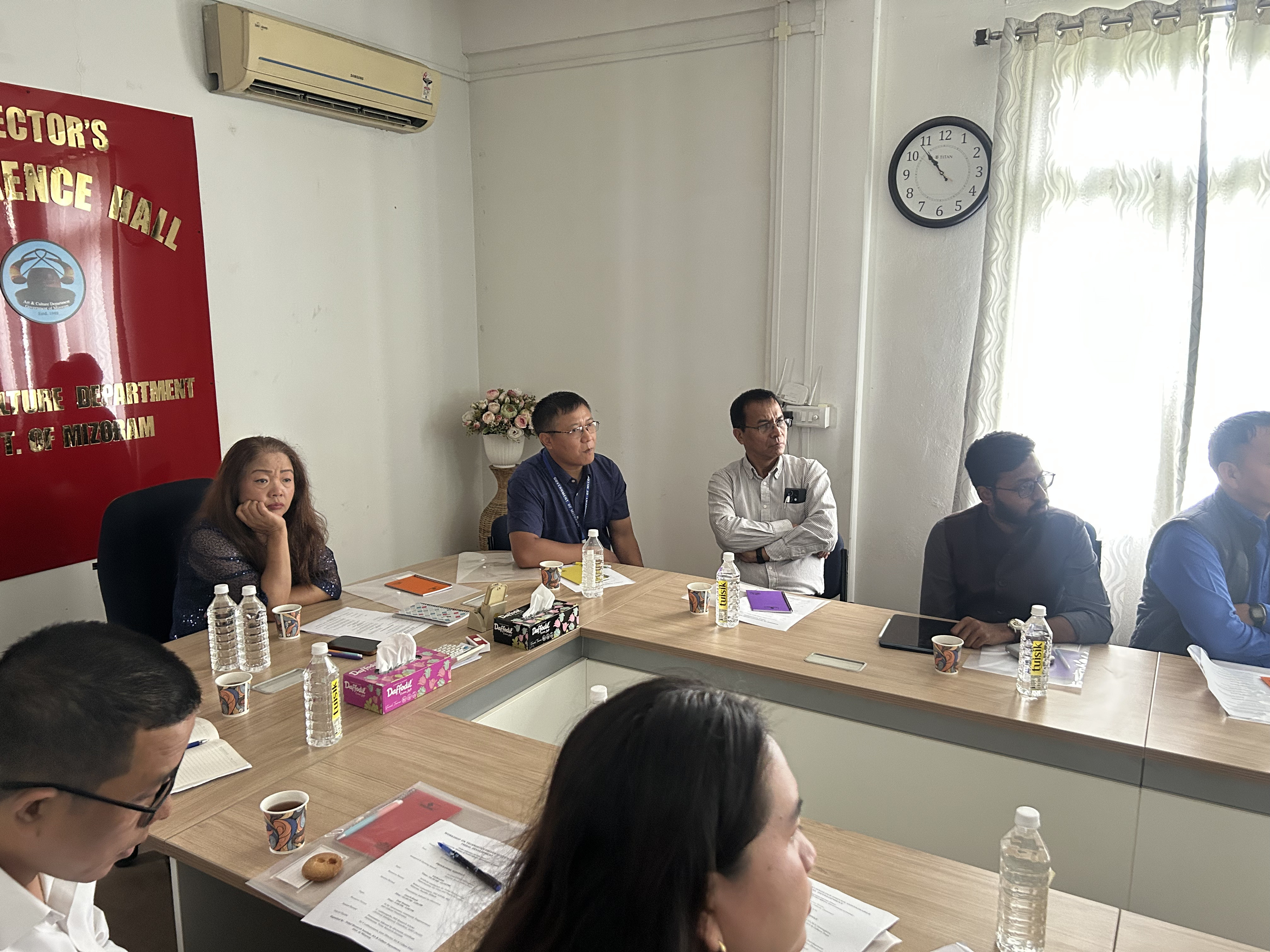
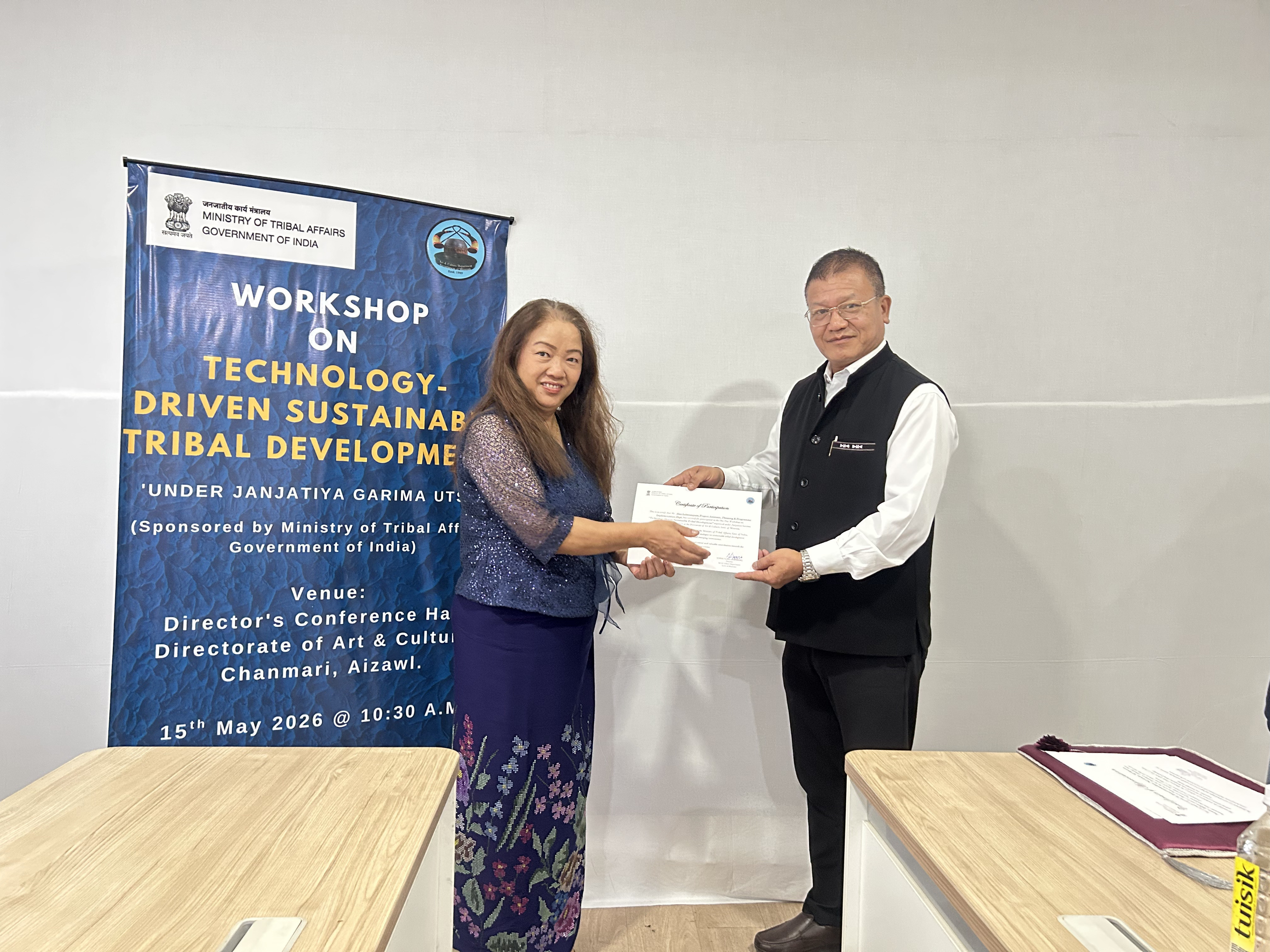
The workshop featured interactive discussions where participants exchanged ideas and shared experiences related to technological interventions in tribal development programmes. The programme concluded successfully with the distribution of certificates and active participation and positive feedback from attendees.
 |  |  |  |
 |  |  |  |
 |  |  |  |
 |  |  |  |